



Protect your chimney before nesting season begins
Did you know? Bird nesting season in the UK generally runs from February/March to August/September, with peak activity between March and July. During this period, it is illegal to intentionally destroy active nests under the Wildlife & Countryside Act 1981.
All wild birds, their nests, and eggs are protected by law; destroying an active nest is an offense. You must wait until the birds have naturally vacated the nest before having it removed by a professional, usually in late August or September.
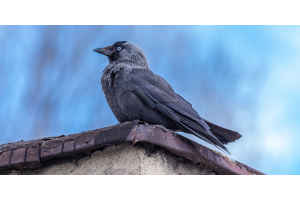
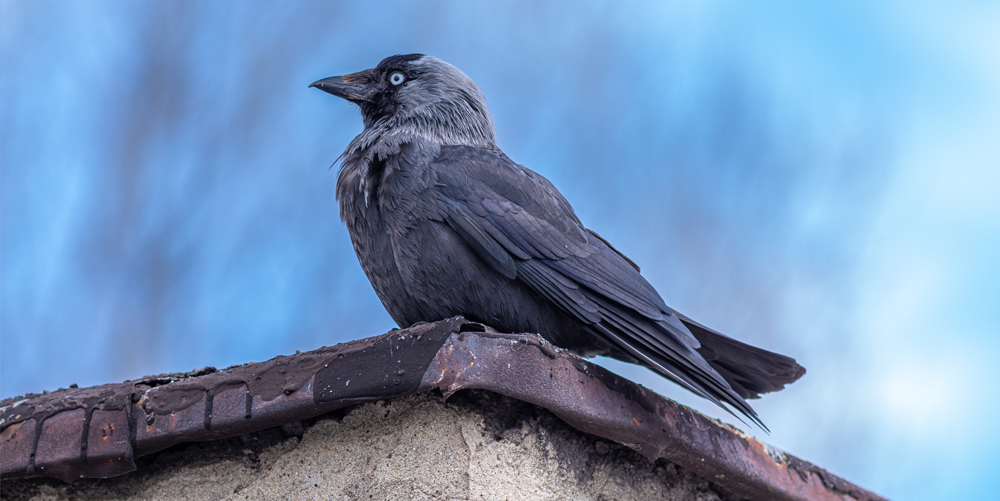
- Jackdaws: They are attracted to chimneys as they resemble the natural tree hollows or rock crevices they use for nesting. They are known for returning to the same chimney year after year, building large, often hazardous nests made of sticks, mud, and debris.
- Other Birds: While Jackdaws are the primary culprits, Starlings, Pigeons, and occasionally Swifts or Tawny Owls can also nest in chimneys. Some species, such as wood pigeons, may nest all year round.
Important Considerations
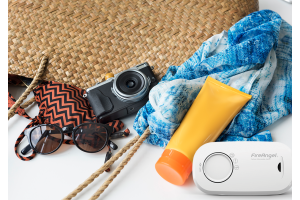
- Safety Hazard: Nests in chimneys are dangerous because they block the flue, preventing dangerous gases like carbon monoxide from escaping, and are highly flammable. Damage can also be caused to the brickwork of the chimney flue and the nesting material is a fire hazard.
- Prevention: The best way to prevent this is by fitting a bird guard or chimney cowl, ideally between October and February to avoid the nesting season.
Choosing the Right Chimney Cowl
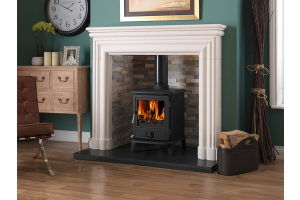
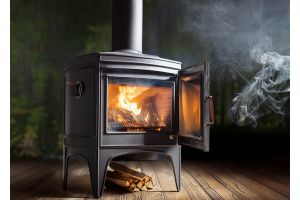
The ideal cowl for your home depends on various factors, including your fireplace type (open fire, wood burner, gas fire, etc.) and your property's location and age. Professional advice from a chimney specialist is recommended to ensure you select the appropriate cowl for your home.
For expert advice, call us on 01143 583399 during usual office hours. Once you've determined the right cowl for your requirements, you can explore our extensive range available for easy online purchase. Click here to browse the range of cowls available.